
Tactile Translation System for School Inclusion
STTIE turns what is written on the classroom board into Braille, in real time.
A student who struggles to see struggles to learn. STTIE lets a blind student follow the lesson at the same moment as their classmates.
Activating each word shows it in Braille on the 3D model.
Recent milestones
- Winner of Falling Walls Lab Valparaíso 2026, held with the support of the German Academic Exchange Service (DAAD).
- Selected for Despega USACH from the Science Up Bootcamp.
- Representing Chile at the Falling Walls Lab Global Finale in Berlin.
The problem
In any classroom, much of what is taught goes through the board. In language, mathematics, science, history or philosophy, the teacher writes concepts, key ideas, dates, formulas and diagrams while explaining. A blind student cannot read any of it as it happens.
Today that student depends on a classmate or an assistant reading the board aloud, or on receiving a Braille transcription days later. Either way, they lose what matters most in a lesson: following the reasoning at the same pace as everyone else, asking questions in the moment, and taking part.
The WHO notes that school-age children with vision impairment can experience lower levels of educational achievement. In Chile, the Third National Disability Study estimated that 14.7% of the population aged 2 to 17, or 587,709 children and adolescents, live with a disability.
Sources: WHO, fact sheet “Blindness and vision impairment” (2026); SENADIS (Chilean National Disability Service), Third National Disability Study, results for ages 2–17 (2023).
2.2 billionpeople worldwide have a near or distance vision impairment.
Source: World Health Organization, fact sheet “Blindness and vision impairment”, February 2026.
A commitment that already exists
The UN Convention on the Rights of Persons with Disabilities, ratified by Chile in 2008, requires states to ensure inclusive education and to facilitate the learning of Braille (Article 24). Chilean law (Law 20.422 of 2010 and Ministry of Education Decree 83 of 2015) requires schools to adapt teaching so that every student can access the curriculum. What is missing are tools that make this possible in the classroom, every day.
What STTIE does
STTIE turns what the teacher writes on the board into Braille, while it is being written. That lets a blind student do things they could not do before:
1. Follow the lesson in real time
They read what appears on the board at the same moment as their classmates, not days later.
2. Read independently
No one has to read the board aloud to them. They gain autonomy, and their classmates can focus on their own learning.
3. Take part as an equal
They can ask, answer and solve problems with the class, because they have the same content at the same time.
4. No change to the lesson
The teacher keeps teaching as usual, at the board. Inclusion no longer depends on preparing special material every time.
STTIE was born in the Mathematics and Computer Science Teacher Education programme at the University of Santiago de Chile (USACH), and is designed for any subject and any classroom where a board is used. The project is under active development.
Who is behind it
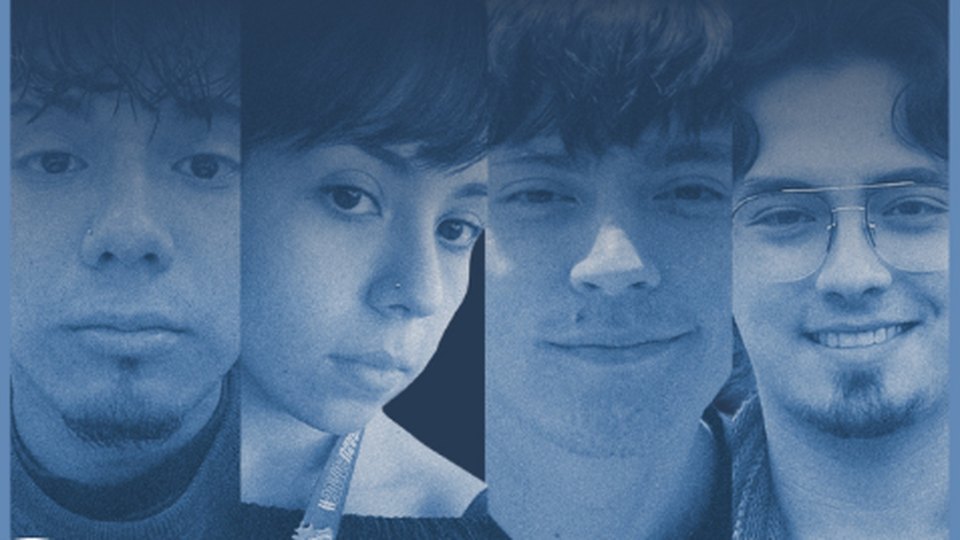
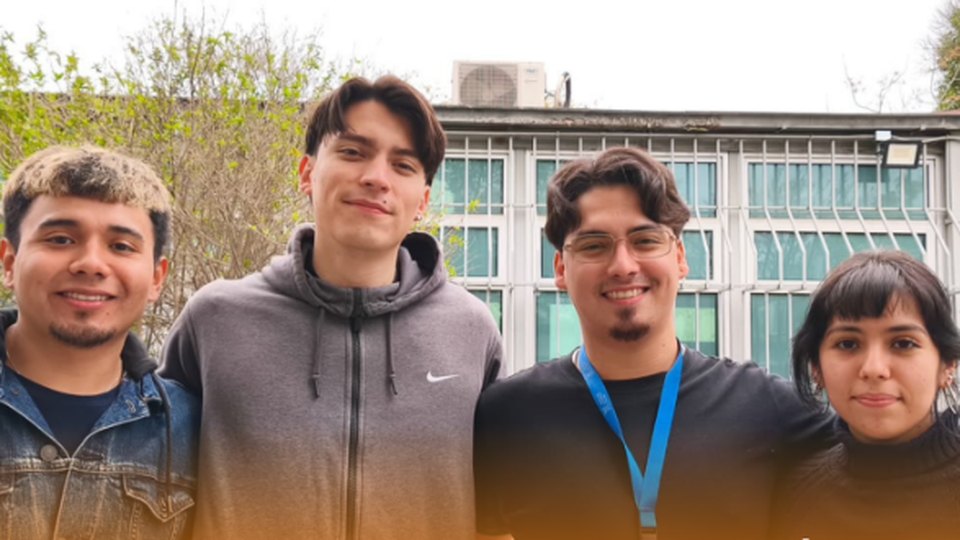
STTIE is a project of the University of Santiago de Chile (USACH), developed by students of Mathematics and Computer Science Teacher Education at the Faculty of Science.
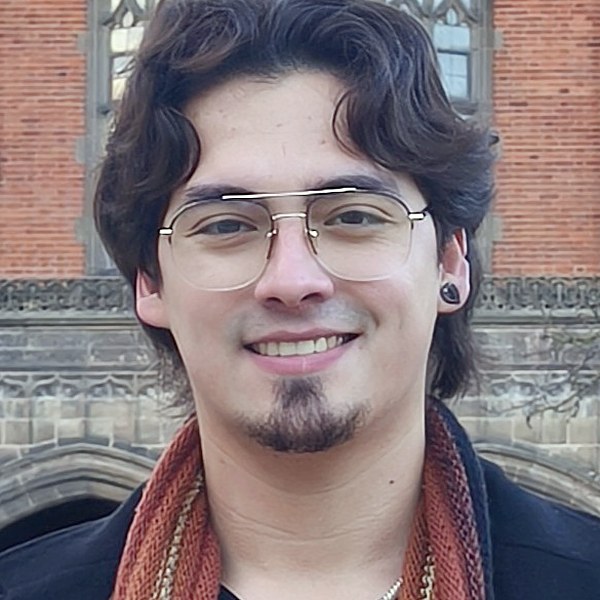
Jose Luis Caamaño Olivares
Project director
More about Jose Luis Caamaño Olivares
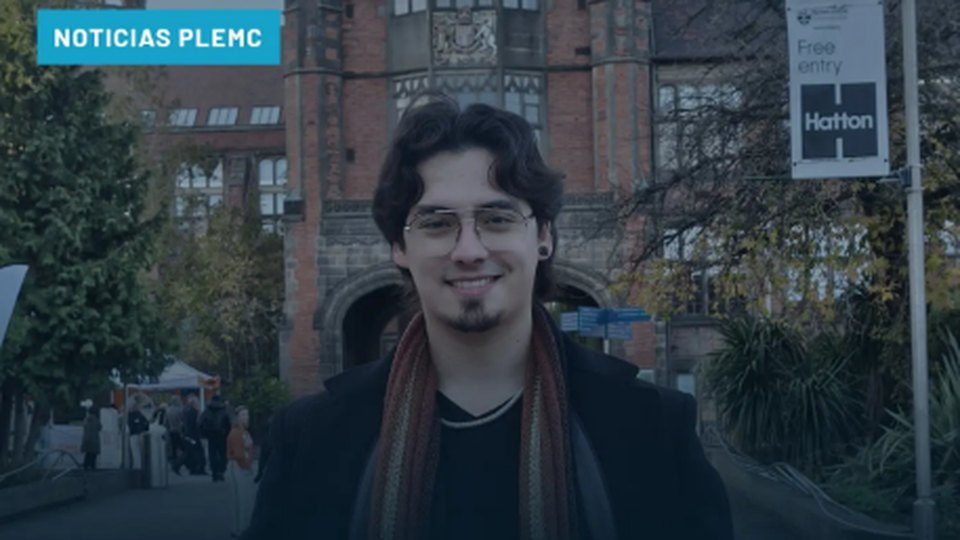
Student of Mathematics and Computer Science Teacher Education, USACH. Won Falling Walls Lab Valparaíso 2026 with STTIE and presents the project at the Falling Walls Lab Global Finale in Berlin. Santander Scholarship recipient.

Cristopher Olivera San Martín
Software development
More about Cristopher Olivera San Martín
Student of Mathematics and Computer Science Teacher Education, USACH. Leads software development for STTIE.
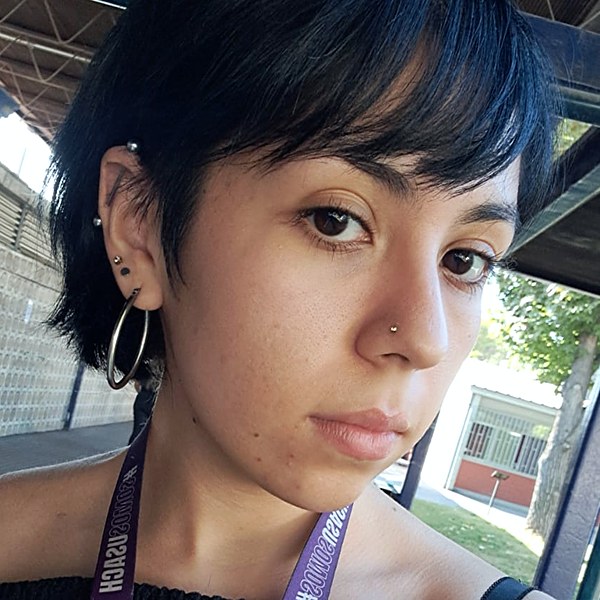
Camila Merino Bustos
Pedagogy
More about Camila Merino Bustos
Student of Mathematics and Computer Science Teacher Education, USACH. Leads the pedagogical work for STTIE.

Antonio Pino Cancino
Hardware development
More about Antonio Pino Cancino
Student of Mathematics and Computer Science Teacher Education, USACH. Leads hardware development for STTIE.
News and public appearances
Links lead to external websites. Most coverage so far is in Spanish.
 Cuatro proyectos avanzan desde Bootcamp Science Up a Despega USACH
 Wissenschaftswettbewerb Falling Walls Lab Valparaíso
 STTIE gana Falling Walls Lab Valparaíso 2026 y representará a Chile en la final internacional en Berlín
 STTIE en Falling Walls Lab Valparaíso 2026: estudiantes de PLEMC USACH desarrollan sistema de traducción táctil
 Usachinos representarán a Chile en competencia internacional con sistema que traduce a Braille
 Proyecto que traduce la pizarra a Braille en tiempo real representará a Chile en competencia internacional de innovación
 Profile of Jose Luis Caamaño Olivares
On social media
Contact
For institutions, press or collaboration proposals, please write to:
We answer in English and Spanish.